In today’s fast-paced world, stress and anxiety have become part of many women’s everyday lives. Between work, school, relationships, social pressures, and personal responsibilities, it can feel difficult to slow down and process emotions in a healthy way. While there are many different self-care practices that can support mental wellness, journaling is one of the simplest and most effective tools for managing stress and improving emotional clarity.
Many people underestimate how powerful writing things down can actually be. When life feels overwhelming, thoughts tend to build up mentally all at once, which can make stress and anxiety feel even more intense. Journaling creates a space to slow down, reflect, and organize those thoughts in a healthier and more manageable way. Even spending a few minutes writing each day can help create a sense of calm and mental clarity.
One of the biggest benefits of journaling is that it encourages mindfulness. Mindfulness involves staying present and becoming more aware of your thoughts without immediately judging them. Through regular journaling, many people begin noticing emotional patterns, triggers, habits, and behaviors that may contribute to stress or anxiety. This self-awareness can make difficult emotions feel easier to understand and manage over time.
Journaling can also help reduce mental clutter. When our minds are constantly filled with responsibilities, worries, or negative self-talk, it becomes difficult to focus and relax. Writing thoughts down often creates a feeling of emotional release. Personally, one of the things I like most about journaling is that it creates a quiet moment to disconnect from outside stress and simply check in with yourself. Even a short journaling session at the end of the day can help slow racing thoughts and create a greater sense of balance.
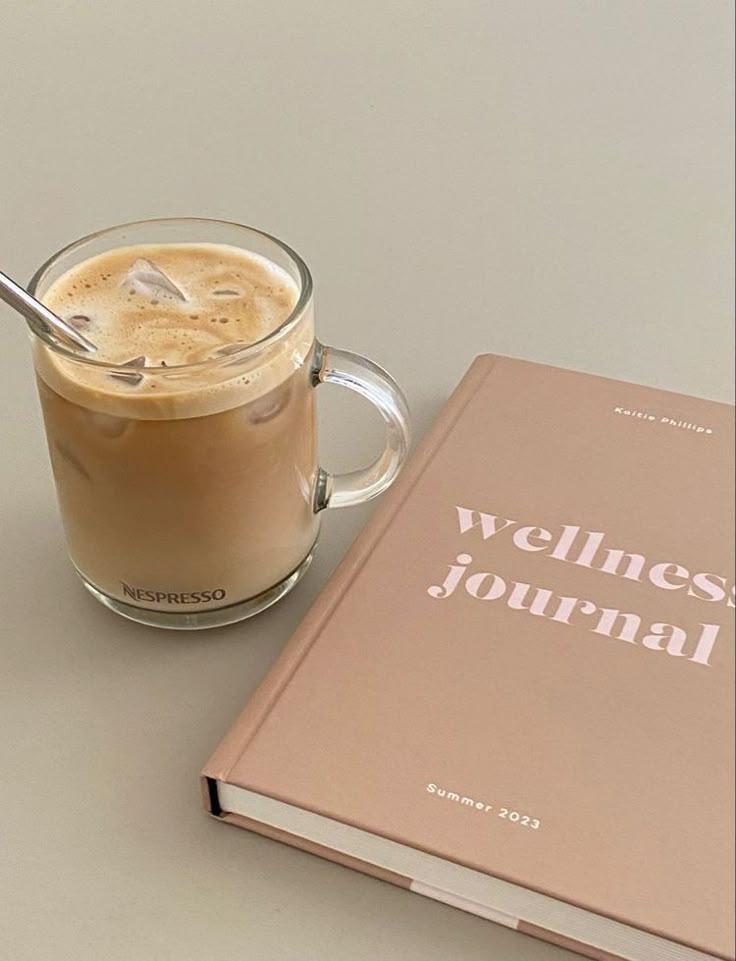
Another reason journaling is so helpful is because it can easily be personalized. Some people enjoy free writing, where they simply write whatever comes to mind without structure or rules. Others prefer guided wellness journals with prompts focused on gratitude, mindfulness, goal setting, or self-reflection. Wellness journals can also include habit tracking, affirmations, or daily check-ins that help support healthier routines and self-care habits.
For women navigating stress and anxiety, journaling can become a grounding daily ritual. It offers a private and judgment-free space to process emotions honestly. Over time, journaling may also help build confidence, emotional resilience, and a stronger understanding of yourself. Instead of avoiding difficult thoughts or feelings, journaling encourages healthier emotional expression and reflection.
Starting a journaling routine does not need to be complicated. A simple notebook, guided wellness journal, or even a notes app can work as a starting point. The most important thing is consistency and honesty. Some days you may write several pages, while other days may only involve a few sentences. Both are valuable.
Although journaling is not a replacement for professional mental health treatment, it can be a meaningful self-care practice that supports overall emotional wellness. Small habits practiced consistently often create the biggest long-term impact. By making time to slow down, reflect, and reconnect with yourself, journaling can become a powerful tool for reducing stress, managing anxiety, and supporting personal growth.